Raynes Park flat removals stair access solutions
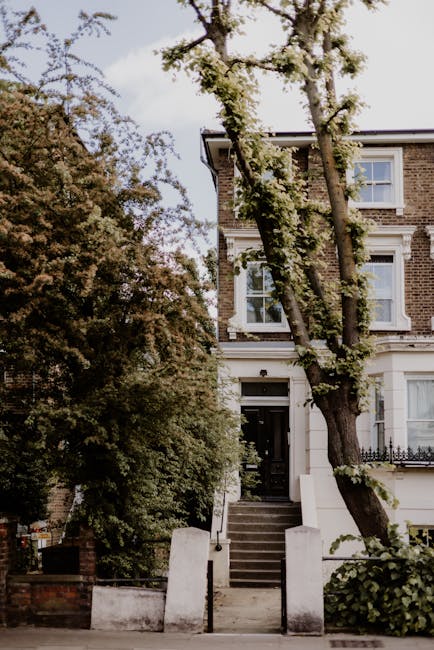
Moving out of a flat is rarely a straight line from A to B. In Raynes Park, that's especially true when stairs are narrow, landings are awkward, banisters seem to be in exactly the wrong place, and the sofa looks somehow bigger on moving day. If you are looking into Raynes Park flat removals stair access solutions, you are really looking for a safer, calmer way to move bulky furniture, boxes, and fragile items through a building without damage, panic, or last-minute improvising.
That sounds simple. It usually isn't. Stair access can make or break a flat move, from the first survey right through to the final carry down. The good news? With the right planning, equipment, and method, even a tricky stairwell can be managed efficiently. This guide walks through what stair access solutions involve, why they matter, how they work, and what to watch for so your move feels less like a scramble and more like a plan.
Why Raynes Park flat removals stair access solutions Matters
Stair access is one of those things people only notice when it becomes a problem. A flat on the second or third floor can be perfectly lovely day to day, but moving out is a different story. Suddenly the width of each landing, the height of each step, and the direction of every turn matters. A move that looked straightforward on paper can become awkward fast if nobody has thought through how a wardrobe, mattress, or washing machine will actually leave the building.
In Raynes Park, as in many parts of south-west London, flats often sit in converted houses, purpose-built blocks, and smaller developments where stairways can be tight or shared. That creates a few predictable headaches:
- Large furniture may not fit around corners without partial dismantling.
- Heavy items can be unsafe to carry without the right number of movers.
- Communal stairwells can be easily marked or damaged during a rushed move.
- Neighbour access and building rules can slow everything down if they are not checked early.
Truth be told, stair access issues are rarely just about "strength". They are about angle, planning, lifting technique, timing, and knowing when to change approach. That is why proper stair access solutions matter. They protect your belongings, reduce stress, and save time. And yes, they often save money too, because fewer mistakes usually means fewer delays.
Expert summary: The best stair access solution is not always the strongest person in the room. It is the best-prepared team, with the right tools, a clear route, and enough flexibility to adapt when the staircase says "not that way".
How Raynes Park flat removals stair access solutions Works
At a practical level, stair access planning starts before moving day. A mover or removal team will usually assess the property details, ask about the staircase, and identify anything that might affect the route out. That could include narrow turns, low ceilings, a shared hallway, or a front door that opens inward and steals precious space. Small things. Big impact.
The process usually works in a few stages:
- Initial survey or discussion to understand the layout, item sizes, and access constraints.
- Route planning to map the best path through the flat, stairwell, lobby, or outside area.
- Preparation of items such as dismantling beds, removing table legs, or wrapping furniture corners.
- Protection of the building with covers, blankets, or padding where needed.
- Safe carrying technique with enough movers for awkward or heavy items.
- Contingency adjustments if an item will not turn cleanly and needs a different angle or split carry.
There is a lot of judgement involved here. A dresser might look impossible at first glance, then glide down the stairs once it is tilted correctly. Equally, a "simple" sofa can become a nuisance if the staircase has a tight bend halfway down. In our experience, the best movers are the ones who stay calm and slightly under-reactive. No drama. Just method.
Access planning also includes timing. Morning moves can be quieter in a block. Later in the day, shared stairways may be busier, bins may be out, or neighbours may be coming and going. If the route includes a parking bay or loading point outside, that timing matters too. Even a few extra minutes spent planning can prevent a lot of shuffling on the day.
Key Benefits and Practical Advantages
Good stair access solutions are not just for difficult buildings. They improve almost any flat move, because they make the process more controlled. Here are the main benefits people usually notice.
- Less risk of damage to walls, bannisters, doors, furniture, and flooring.
- Safer lifting for everyone involved, especially with heavy or awkward items.
- Faster removal because the team is not guessing mid-carry.
- Better protection of shared areas in blocks and converted buildings.
- Lower stress for tenants, owners, and neighbours.
- More predictable costs because the job is less likely to run long.
One of the biggest practical advantages is simple confidence. When you know a bulky item has a workable route, the whole move feels less chaotic. You start packing better. You make fewer rushed decisions. You stop wondering whether the sofa will make that last turn at the top of the stairs. That sounds minor, but it really changes the mood of the day.
Another benefit is flexibility. Stair access solutions often include dismantling, protective wrapping, or changing the carrying sequence. That means the move can keep going even if one item needs a bit of a rethink. Not every flat move is tidy and linear. Sometimes the best result comes from adapting on the fly, while still keeping control.
Who This Is For and When It Makes Sense
This sort of planning makes sense for a wide range of people, not just those moving from top-floor flats. If any part of your property access is awkward, it is worth paying attention.
- Tenants in upper-floor flats who need to move out without damaging the communal stairwell.
- Homeowners in converted buildings where older staircases can be especially tight.
- Landlords and letting agents arranging an exit move between tenancies.
- Students and first-time renters dealing with smaller furniture and tighter budgets, often on a deadline.
- Families moving bulky items such as wardrobes, cots, beds, and appliances.
- Anyone with heavy or fragile belongings that need a more careful carry.
It also makes sense when a move is happening under pressure. End of tenancy deadlines, school runs, work meetings, parking restrictions, and lift outages can all tighten the time window. If the staircase is narrow or steep, even a short delay can create a domino effect. That's the thing with moving day: once you're five minutes behind, you can feel it for the rest of the afternoon.
Ask yourself a simple question: if your largest item had to be carried down the stairs right now, would you know exactly how it would turn? If the answer is "not really", you probably need a proper stair access plan.
Step-by-Step Guidance
Here is a practical way to approach stair access for a flat removal. It is not flashy, but it works.
1. Measure the awkward parts, not just the room
People often measure the sofa and forget the staircase. You need both. Check stair width, landing depth, turn space, door width, and the size of the bulkiest items. If the item can only move when angled a certain way, that matters more than the room size on its own.
2. Identify what needs dismantling
Bed frames, dining tables, shelving, and some wardrobes can often be taken apart to make the route easier. The goal is not to dismantle everything. The goal is to remove the few parts that create the bottleneck.
3. Protect the route before anything moves
Use covers on bannisters, flooring, corners, and door frames where necessary. This is one of those jobs that feels slightly fussy until you see how quickly a painted wall can scuff. Then suddenly it seems very sensible indeed.
4. Assign the right number of movers
Heavy or tall items may need two, three, or even more handlers depending on the route. A small item can still be awkward if it has to twist around a narrow bend. The number of people matters less than the coordination between them, but underestimating the lift is a common mistake.
5. Move the most difficult item first, if possible
There is often value in dealing with the hardest object while everyone is fresh. If a wardrobe needs an unusual angle or a sofa needs to be pivoted carefully, do that before energy drops and tempers start to fray. It is amazing how much smoother the day feels once the "problem item" is gone.
6. Keep a backup plan
If an item will not come through the main route, think about whether it can be dismantled further or reoriented safely. Rarely, a window or alternative exit may be discussed, but only where practical and safe. This is the point where experienced movers earn their keep.
7. Finish with a final inspection
Once the flat is empty, check the stairwell, hallway, and entry points for damage or forgotten items. That last walk-through can save a lot of awkward follow-up messages later on.
Expert Tips for Better Results
There are a few habits that separate a smooth move from a messy one. None are complicated, which is almost annoying, but there you go.
- Do a route rehearsal mentally. Picture the item moving through each turn before moving it.
- Measure the awkward items twice. Especially sofas, mattresses, and wardrobes. The extra minute matters.
- Remove snag points early. Loosen protruding handles, take off mirrors, tape loose cables, and empty drawers where possible.
- Keep a clear landing. A cluttered landing slows everything down and increases the chance of knocks.
- Use short, clear calls. "Up," "pause," "turn," and "down" are better than long explanations mid-carry.
- Wrap corners properly. The edge of a wardrobe is often the first thing to catch on a wall.
One useful mindset shift: think in terms of flow, not force. The item does not need to be dragged down the staircase like a piece of gym equipment. It needs to move cleanly, with balance and timing. That sounds obvious, but under pressure people often forget and start muscling through, which is where trouble begins.
A small practical note. If you have pets, children, or neighbours using the same access route, keep the corridor clear and the move contained. A quiet stairwell is a safer stairwell. And yes, a calm one too.
Common Mistakes to Avoid
Most stair access problems come from a handful of avoidable errors. The frustrating bit is that they are usually easy to spot afterwards.
- Skipping the access check. Assuming "it'll be fine" is how moving day turns into problem-solving day.
- Forgetting the landing. A staircase may look fine until the item has to rotate at the top or bottom.
- Leaving packing until late. Half-packed boxes and loose parts slow everything down.
- Not protecting shared areas. Small scuffs can create avoidable friction with neighbours or building management.
- Trying to move too much at once. One carefully planned carry is better than three rushed ones.
- Ignoring weather or outside access. Rain, mud, and poor light can make stair carries and door handling much harder.
There is also a subtler mistake: not admitting when an item needs a different approach. Nobody likes to hear "we should dismantle this", but it is often the sensible call. If a piece of furniture is fighting the staircase, the staircase usually wins. Better to change the method than force the issue and chip a wall on the way through.
Another thing people forget is pace. A move does not need to be rushed to be efficient. In fact, slowing down for the awkward moments often saves time overall. Slightly irritating, perhaps. Still true.
Tools, Resources and Recommendations
Stair access work gets a lot easier with the right kit. You do not need a truck full of specialist gear for every move, but a few practical tools make a serious difference.
| Tool or resource | What it helps with | Practical note |
|---|---|---|
| Furniture blankets | Protecting corners, surfaces, and door frames | Useful for both the stairwell and the van |
| Straps and trolleys | Supporting awkward or heavy lifts | Only helpful when the route allows safe use |
| Measuring tape | Checking item size against turns and landings | Measure the route, not just the furniture |
| Protective corner covers | Reducing impact on walls and edges | Especially handy in narrow halls |
| Labels and packing markers | Keeping rooms and fragile items organised | Helps avoid confusion once items are loaded |
For planning, the best resource is often a simple pre-move checklist and a sensible conversation with the movers. If they have worked with flats before, they will usually know what to ask about: stair width, parking, access codes, lift availability, and whether anything oversized needs dismantling. Those questions can feel slightly tedious at first. They are not. They are exactly what keeps the day on track.
If you are sorting the move yourself, it is worth making a little access note for each large item. Sofa turns left at the landing. Wardrobe needs two people at the top. Bed frame is already dismantled. Simple notes. Very useful ones.
Law, Compliance, Standards, or Best Practice
Flat removals with stair access usually sit within ordinary moving-day best practice rather than anything highly specialised, but there are still important standards to keep in mind. In the UK, moving work should be carried out safely, with reasonable care for people, property, and shared spaces. That means no reckless lifting, no blocking emergency routes, and no casual disregard for building rules.
For shared buildings, it is sensible to check any leasehold, block management, or building-specific requirements in advance. Some properties have rules about moving times, lift bookings, protective coverings, or where vehicles may stop for loading. Those rules vary, so it is better to confirm than assume.
On the safety side, the core principle is straightforward: if a lift, carry, or manoeuvre feels unsafe, stop and reassess. That may mean dismantling the item, changing the number of movers, or using a different route. Manual handling best practice is largely common sense backed by disciplined execution. Not glamorous, but it works.
It is also wise to keep access ways clear for other residents and emergency use. A stairwell filled with boxes is inconvenient at best and hazardous at worst. That is especially important in blocks where several households share the same space. Considerate moving is good moving.
Options, Methods, or Comparison Table
There is more than one way to handle stair access in a flat move. The best option depends on the item, the staircase, and how much time you have.
| Method | Best for | Pros | Limitations |
|---|---|---|---|
| Careful manual carry | Most standard furniture and boxes | Flexible, controlled, no special setup | Can be slow for heavy or awkward items |
| Dismantling before removal | Beds, tables, shelving, wardrobes | Often solves tight turns and narrow landings | Needs time, tools, and organised reassembly |
| Extra-man carry | Very heavy or bulky pieces | Better control and balance | Requires coordination and enough space |
| Protect-and-pivot approach | Items that must turn on landings | Useful in older or tighter staircases | Needs experience and patience |
| Alternative route planning | Exceptional access problems | Can avoid bottlenecks entirely | Not always available in flat buildings |
For most Raynes Park flat moves, the winning formula is a mixture rather than a single tactic. Maybe the bed gets dismantled, the sofa gets carried by two movers, and the mirrors are wrapped carefully. That blend of methods is usually what keeps things moving smoothly.
Case Study or Real-World Example
Picture a typical moving morning in a Raynes Park flat: a top-floor apartment, a narrow internal staircase, a sofa with a stubborn arm, and a chest of drawers that seemed much less intimidating in the lounge. Nothing dramatic. Just one of those jobs where a bit of planning makes all the difference.
Before moving anything, the team checks the turn at the first landing and the clearance at the front door. The bed frame is already dismantled, which helps immediately. The sofa is wrapped at the corners, then carried with one person guiding from the lower end and another controlling the top edge. On the first attempt, the arm catches slightly on the bannister. Not a disaster, just a signal to adjust the angle and take the longer pivot around the landing.
That small pause saves damage. The chest of drawers is emptied, wrapped, and carried separately. The final result is uneventful in the best possible way: no marks on the wall, no strained lifting, and no panicked shouts down the stairwell. Which, let's be honest, is exactly what most people want from a flat move.
The lesson is simple. A sensible stair access solution does not have to be complicated. It just has to be thoughtful, measured, and realistic about the building you are working with.
Practical Checklist
Use this checklist before moving day. It is basic, but it catches the things people forget when they are juggling packing tape, keys, and two cups of cold tea.
- Measure the widest and tallest items.
- Check stair width, landings, doorways, and turns.
- Confirm whether furniture needs dismantling.
- Protect walls, bannisters, and floors where needed.
- Clear the staircase, hallway, and landing of clutter.
- Check parking or loading arrangements outside.
- Tell neighbours or building management if required.
- Pack fragile items separately and label them clearly.
- Keep tools, tape, and wrapping materials handy.
- Leave enough time for awkward items. Always a bit more than you think.
Quick takeaway: The more awkward the stair access, the more the move depends on planning rather than speed. Measure well, prepare well, and the job becomes much easier.
What should you do next? If your flat has tight stairs, tight turns, or a couple of items you already suspect will be trouble, get the access plan sorted before moving day. It is far easier to solve problems on paper than halfway down a staircase with a wardrobe leaning the wrong way.
Get a free quote today and see how much you can save.
Conclusion
Raynes Park flat removals stair access solutions are really about turning a stressful part of moving into a managed one. Once you understand the route, prepare the items properly, and use the right carry method, even a difficult staircase becomes much more manageable. That is the real value here: fewer surprises, fewer scrapes, fewer moments where everyone just stares at the sofa and goes quiet.
Whether you are moving out of a compact flat, a converted house, or an upper-floor apartment with an awkward landing, the same principle applies. Think ahead, protect the space, and stay flexible enough to change the plan when needed. The difference is noticeable. The day feels calmer, the work feels safer, and you finish with fewer regrets. Not bad for a staircase.
And when the last box is gone and the stairwell is quiet again, that small sense of relief is worth a lot.
Frequently Asked Questions
What are Raynes Park flat removals stair access solutions?
They are the practical methods used to move furniture and boxes safely through narrow, steep, or awkward stairways in Raynes Park flats. That can include planning the route, dismantling items, protecting walls, and using the right lifting technique.
Do I need special equipment for a flat move with stairs?
Not always. Many moves can be handled with blankets, straps, trolleys, and good manual handling. The need for extra equipment depends on the size of the items and how tight the staircase is.
How do I know if my sofa will fit down the stairs?
Measure the sofa's longest and widest points, then compare those measurements with the stair width, landings, and any turns. If the route looks tight on paper, it is worth getting a professional assessment before moving day.
Should furniture be dismantled before a flat removal?
Often, yes, at least partially. Beds, tables, shelving, and some wardrobes usually move more easily when taken apart. The key is to dismantle only what actually helps the route.
What if the staircase is too narrow for large items?
If the main route is too tight, the item may need to be dismantled further, moved by a different angle, or handled with an alternative plan. In some cases, a professional removal team will suggest the safest option after checking the access in person.
How can I protect the stairwell during the move?
Use padding, blankets, and corner protection on the areas most likely to get knocked. Clear the route in advance and avoid stacking boxes in shared areas. A few simple precautions can prevent a lot of damage.
Are there rules for moving in shared flats or blocks?
Often there are building-specific rules, such as preferred moving times, access codes, parking instructions, or lift booking requirements. It is sensible to check with the landlord, managing agent, or building management before the move.
How long does stair access planning take?
For a simple flat move, it may only take a short conversation and a few measurements. For trickier access, a proper survey or detailed planning can take longer, but that time usually pays off on moving day.
What is the biggest mistake people make with stair access?
The biggest mistake is assuming the item will fit without checking. Staircases can be deceptive. A landing that looks roomy might still make a turn impossible if the item is long or awkwardly shaped.
Can stair access problems increase removal costs?
They can, because difficult access may require extra time, more movers, or additional dismantling. Clear planning helps keep the job efficient and reduces the chance of delays.
Is it safe to carry heavy furniture downstairs myself?
Sometimes, but only if the item is manageable, the route is clear, and you have enough people to control it properly. If the furniture is heavy, bulky, or hard to angle, it is safer to get help rather than risk injury or damage.
What should I tell a removal team before moving day?
Give them the property layout, the staircase details, any tight turns, parking information, and a list of bulky items. The more they know up front, the better they can plan the move and avoid surprises.