Southfields removals near Wimbledon Common access tips
If you are planning Southfields removals near Wimbledon Common access tips, the small details matter more than people expect. A move that looks simple on paper can turn fiddly very quickly once you add narrow residential roads, school-time traffic, limited stopping space, shared access, and the general London habit of making every task feel one size harder than it should be. The good news? With a sensible plan, the right vehicle choice, and a bit of local awareness, the whole thing becomes much easier.
This guide breaks down how to approach removals around Southfields and the Wimbledon Common edge in a practical way. You will find access advice, timing tips, packing suggestions, common mistakes to avoid, and a straightforward checklist you can use before moving day. If you want to compare move types as you plan, it can also help to look at removals, man with a van, or broader removal services depending on the size of your move.
- Why access tips matter in Southfields
- How the moving process works locally
- Benefits of planning for Wimbledon Common access
- Who this guide is for
- Step-by-step moving guidance
- Expert tips for smoother access
- Common mistakes to avoid
- Tools, resources and recommendations
- Law, compliance and best practice
- Options and comparison table
- Real-world example
- Practical checklist
- Conclusion
- Frequently asked questions
Why Southfields removals near Wimbledon Common access tips Matters
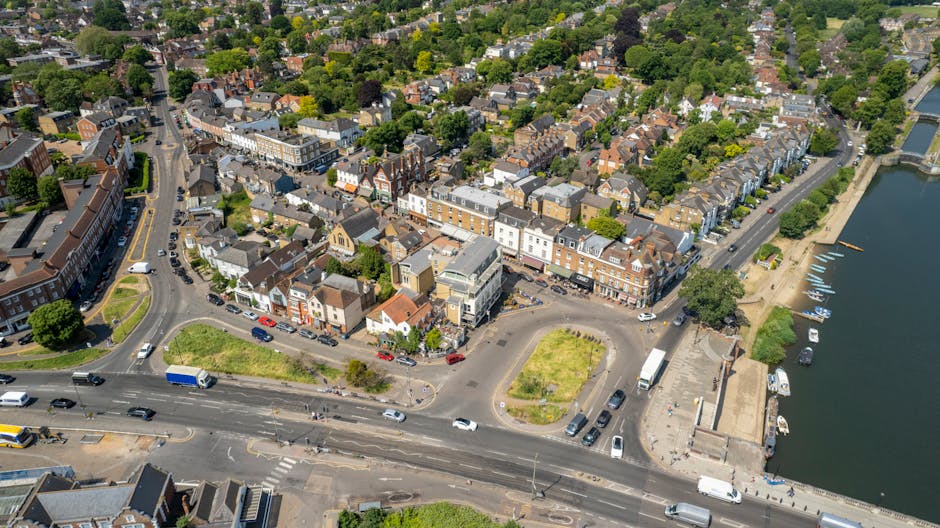
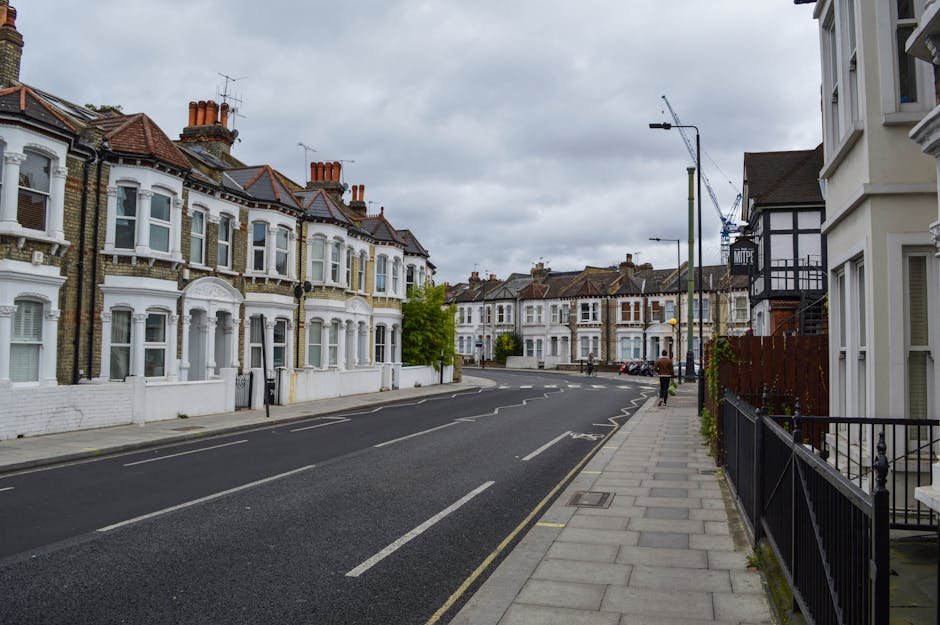
Access is often the hidden part of a move. People focus on boxes, dates, and whether the sofa will fit through the front door, but the street outside can be what makes or breaks the day. Around Southfields and the roads near Wimbledon Common, that is especially true. You may be dealing with tight turns, parked cars on both sides, older housing stock, and pedestrian activity that changes by the hour. A van that is technically the right size can still become awkward if it cannot stop near the property for long enough to load safely.
It matters because poor access can lead to longer loading times, more lifting, extra walking distance, and higher pressure on everyone involved. That is how small problems snowball. A quick ten-minute delay turning into half an hour is not unusual. And yes, it can feel a bit ridiculous when all you wanted was to move a bookcase and a few boxes, but that is London for you.
Near Wimbledon Common there is also a lifestyle factor. Roads can be busier at certain times, especially when people are walking dogs, heading to the Common, doing school runs, or simply avoiding the main roads. So the best moving strategy is not just about getting from A to B. It is about making the route, parking, and loading all line up calmly enough that nobody starts the day already stressed.
Key takeaway: the better your access planning, the less time your move spends fighting the street outside your home.
How Southfields removals near Wimbledon Common access tips Works
In practical terms, a successful move in this part of London starts before the van arrives. The moving team needs enough information to judge vehicle access, carrying distance, parking limitations, and the amount of time likely needed on site. If the property is on a road with restricted stopping, a lower-capacity vehicle or a more precise arrival slot may be the safer option. If you are moving from a flat, access inside the building matters too: stairs, lifts, door widths, and shared hallways all influence the plan.
A common setup is this: the removals provider checks what needs moving, estimates the volume, and chooses a suitable vehicle and crew. Then the day is shaped around the route into Southfields, the likely parking position, and whether the team can pull close to the property. For smaller moves, a flexible service such as man and van or removal van may be enough. For larger homes, more furniture, or awkward access, a bigger vehicle such as a moving truck can make sense.
Local access planning also affects how packing is handled. If items need to be carried a long way from the front door to the vehicle, heavier boxes should be packed sensibly and furniture should be protected properly. A flimsy box and a long walk do not get along. Truth be told, cardboard has opinions about wet weather too. If your move includes delicate items, you may want to combine access planning with packing and boxes or even packing and unpacking services so the day stays organised.
Key Benefits and Practical Advantages
Thinking ahead about access sounds modest, but the benefits are very real. The first is time. If the van can stop close to the door, loading becomes cleaner and quicker. That tends to reduce fatigue too, which matters more than people admit. Lifting a washing machine ten metres is one thing; lifting it eighty metres down a pavement, round a parked car, and back again starts to become a different story.
The second benefit is protection. Shorter carrying distances mean less chance of scraped walls, chipped furniture, or boxed items being knocked about. This is especially useful in tight Southfields streets where turning a corner with a sofa can be a little dance of patience. The third benefit is predictability. When you know where the vehicle will stop, what route it will take, and who is responsible for doors, keys, and access codes, the whole move feels calmer.
There is also a financial angle. Better access planning can reduce wasted time and unnecessary extra labour. That does not mean every move is cheaper automatically, but it does mean you are less likely to pay for avoidable friction. If you are comparing providers, it helps to review pricing and quotes alongside the service style you need, because a cheaper option is not much of a bargain if it cannot handle the route.
In short: smoother access usually means safer handling, lower stress, and a move that feels more controlled from the first box to the last.
Who This Is For and When It Makes Sense
This guide is useful if you are moving from a terraced house, a ground-floor flat, a maisonette, a converted building, or a property with awkward street access near Wimbledon Common. It is also relevant if you are moving into Southfields from elsewhere and want to understand the area before your removal day. The same goes for renters with fixed handover times, families juggling school pickups, and anyone who cannot afford to have the van blocked in or delayed.
Students may need a lighter, quicker arrangement, especially if they are moving in or out at the same time as everyone else. In those cases, student removals can be a sensible fit. On the other hand, if you are dealing with business stock, office chairs, filing cabinets, or sensitive equipment, the planning becomes slightly more formal and you may be better looking at commercial moves or office removals.
It also makes sense for people who simply want a calmer moving day. Not every move is large, but almost every move benefits from fewer unknowns. If you already know the property has awkward access, it is better to prepare early than to be standing on the kerb, muttering at a van that cannot quite get where it needs to be. We have all seen that scene. Not ideal.
Step-by-Step Guidance
- Map the access from street to front door. Walk the route as if you were carrying a box. Look for narrow gates, steps, low branches, steep kerbs, and places where a vehicle might need to pause. If you are in a flat, include the stairwell and lift route as well.
- Identify parking and stopping points. Decide where the vehicle is most likely to wait. Even if it is temporary, a realistic stopping place changes the whole rhythm of the move. If you expect parking pressure, mention it early when arranging removal companies or a smaller vehicle service.
- Measure the awkward items. Sofas, wardrobes, beds, mirrors, pianos, and large appliances deserve special attention. A piano, for example, is not something to casually wedge through a tight hallway. If that is on the list, speak about piano removals well in advance.
- Pack by carry order, not just by room. Put the first-needed items where they can be reached quickly. If you know the van will be parked a little way off, avoid putting the heavy items at the bottom of a pile of random bits. That is how mornings become unnecessarily dramatic.
- Confirm lift, keys, and building rules. Some blocks require booking lifts, protecting floors, or restricting moving hours. Even private landlords can have house rules that catch people out at the last minute.
- Choose the right service level. A light move may only need a man with van approach. A fuller family move might need house removals or home moves. Pick the service that matches the access conditions, not just the list of items.
- Leave a little breathing room in the schedule. If the move involves a route near the Common, weather, parking, and local traffic can all shift the timing a bit. Build in a cushion. Future-you will be grateful.
The most useful thing here is simple: treat the access route as part of the move itself, not an afterthought. That one habit saves a lot of trouble.
Expert Tips for Better Results
Here is the thing. Most access problems are predictable if you look for them early enough. A few local habits make a noticeable difference. First, try to avoid the most congested times if your schedule allows. School-run hours and early commuter traffic can turn an otherwise manageable road into a slow crawl. A move that begins at a quieter time often feels cleaner all round.
Second, keep the entrance clear. This sounds obvious, but it is amazing how often shoes, plant pots, recycling bins, and that one mysterious chair end up blocking the route. Give the team a clean, open path. It makes the work safer and faster. Third, label boxes clearly and group the fragile ones separately. If items need to be carried farther than expected, clear labels help people place them correctly without extra shuffling.
Fourth, tell the removals team about awkward access honestly. Not roughly, honestly. If there is a long walk from the vehicle, a steep staircase, or a no-parking stretch outside the property, say so. That lets the team plan the load properly and avoid last-minute surprises. If you are using a service like removal services, the more accurate the briefing, the better the result.
Finally, protect the stuff that gets scratched easily: polished wood, glass, antique pieces, mirrors, and TV screens. Access problems are often about corners and contact points, not only distance. A tiny bump in a narrow hallway can do more damage than a longer drive ever would.
Common Mistakes to Avoid
The first big mistake is underestimating the street outside the property. People will often say, "Oh, the van can just stop nearby." Nearby can mean very different things in practice. Five metres is nothing. Fifty metres with a heavy mattress is a nuisance. It is worth being precise.
The second mistake is booking the wrong vehicle size. A larger vehicle is not always better. If the road layout near Wimbledon Common makes manoeuvring awkward, a slightly smaller but more flexible option may actually be the smarter choice. The third mistake is forgetting to mention furniture that needs dismantling. It is far easier to prepare a wardrobe properly than to discover it blocks the hallway five minutes before loading.
Another common issue is poor packing discipline. Mixed heavy and light items, unsealed boxes, and loose small parts all become more painful when the carry distance increases. Then there is the "we'll deal with it on the day" approach. To be fair, lots of people do this. But moving day is not usually the best time to start improvising parking or figuring out which entrance is best.
Last, do not forget practical comfort. If the team has a longer carry than expected, water, gloves, and sensible footwear matter. It sounds small, but small things stack up quickly.
Tools, Resources and Recommendations
You do not need anything fancy to plan a better move. A tape measure, notebook, phone camera, and a simple room-by-room list will cover most situations. Photos of the front of the property, the staircase, the driveway if there is one, and any tight corners can be surprisingly helpful when you are describing access to a removals team.
It also helps to use a basic moving timetable. Write down the packing deadlines, the key handover time, the lift booking window if relevant, and when you expect the van to arrive. If the move is bigger, consider storing less-used items first. A temporary storage arrangement can reduce pressure on the main day, especially if you are moving between properties or waiting on completion timing.
For furniture that is no longer worth taking, a service like furniture removals or furniture pick up can help keep the new home uncluttered. That is particularly useful if access is tight and you want the van to carry only what is genuinely moving. Less clutter, less carrying, less stress. Simple, really.
If you are still deciding between a small van and a larger truck, think about what is easier for the street as well as the load. Sometimes a lighter, more nimble setup beats a larger one. Sometimes it does not. The answer depends on the road, the building, and the amount of furniture. One size never fits everything, despite what boxy marketing copy might imply.
Law, Compliance, Standards, or Best Practice
For a local house move, the most relevant concerns are usually safety, access, insurance, and care for property rather than complex legal paperwork. Still, there are some best-practice expectations that matter. Anyone handling goods should take reasonable care to protect furniture, walls, flooring, and shared areas. In shared buildings, it is normal to respect building rules, booked lift times, loading restrictions, and access arrangements set by the landlord or managing agent.
From a practical point of view, it is wise to use a provider that is clear about safety and insurance. If anything feels vague, ask questions before moving day. A good removals business should be able to explain how it handles loading, lifting, access checks, and damage prevention in plain language. It should also have sensible policies in place. If you want to review how a provider approaches these areas, pages such as insurance and safety, health and safety policy, and terms and conditions are worth reading before you book.
There is also a general duty to avoid causing unnecessary obstruction or risk on the street. That does not mean every move requires a legal dissertation. It simply means thoughtful parking, sensible load management, and respectful use of shared access all matter. In London, the small courtesies are often the difference between a move that runs quietly and one that becomes a neighbourhood event. Nobody wants the latter.
Options, Methods, or Comparison Table
Choosing the right moving method around Southfields and Wimbledon Common access depends on property size, parking space, and how much carrying is involved. A quick comparison makes the trade-offs easier to see.
| Option | Best for | Access advantage | Potential drawback |
|---|---|---|---|
| man with van | Small to medium moves, lighter furniture, tight schedules | Flexible, often easier on narrow streets | May not suit larger loads or many bulky items |
| removal van | Typical household moves and furniture collections | Good balance of capacity and manoeuvrability | Can still struggle if access is very restricted |
| moving truck | Larger homes, heavier loads, fuller moves | More room in fewer trips | Harder to position on tight roads |
| house removals | Full-property moves with more items and planning | More structured handling and coordination | May require more notice and clearer access planning |
If you are moving from a compact flat near the Common, the smaller end of the scale may be ideal. If you are moving a full family household with dining furniture, white goods, and plenty of boxes, the more structured option is often safer. The point is not to choose the biggest vehicle. The point is to choose the one that actually fits the access story.
Case Study or Real-World Example
Imagine a two-bedroom flat move in Southfields, just off a road where parking is usually busy by mid-morning. The property is on the first floor, there is no lift, and the sofa is awkwardly long. On paper, nothing looks impossible. In reality, if the van arrives at the busiest time, the team may need to park further away and carry items down a narrow stairwell and along the pavement.
In a situation like that, the move usually goes better if the customer prepares early. Boxes are labelled by room, the sofa is measured and checked, the route from flat to van is kept clear, and the schedule avoids the most congested window if possible. The result is not glamorous. But it is calm. And calm is underrated on moving day.
Now picture the same move with one difference: the customer did not mention the stairwell, the parking pressure, or the sofa length. Suddenly the team has to adapt on the fly. That can still work, of course, but it usually means more time, more lifting, and more back-and-forth. Not catastrophic. Just messier than it needed to be.
That is why access tips are not small talk. They change the feel of the whole move.
Practical Checklist
- Measure large furniture and check doorway widths.
- Note steps, stairs, lifts, and any narrow hallways.
- Decide where the vehicle is likely to stop.
- Tell the removals team about parking limits or restrictions.
- Separate fragile boxes from heavier packed items.
- Keep pathways clear inside the property.
- Book the right service type for the size of the move.
- Confirm building access rules and handover times.
- Protect floors, corners, and delicate furniture.
- Have keys, phone numbers, and instructions ready on the day.
If you want a smoother overall process, it can also help to speak early with about us information to understand the way a provider works, then check contact us when you are ready to ask about your specific route and access needs.
Get a free quote today and see how much you can save.
Conclusion
Southfields removals near Wimbledon Common access tips are really about one thing: removing avoidable friction from a day that already has enough moving parts. When you plan the route, choose the right vehicle, think through parking, and tell the removals team exactly what they are working with, the whole experience becomes much more manageable.
That does not mean every move will be perfect. A bit of weather, a busy street, or an awkward wardrobe can still throw in a surprise. But with the right preparation, those surprises stay small. And that is what you want: a move that feels controlled, safe, and human-sized rather than chaotic.
Take the time to prepare the access properly, and the rest of the move usually follows suit. It really is one of those quiet wins.
Frequently Asked Questions
What is the main access issue with removals near Wimbledon Common?
The most common issue is not the move itself but where the vehicle can stop and how far items must be carried. Narrow roads, parked cars, and busy local traffic can all add time and effort.
Should I choose a van or a larger truck for a Southfields move?
It depends on your load and the street outside the property. A smaller vehicle can be easier on tight roads, while a larger truck may reduce the number of trips for bigger moves. Access should guide the choice, not just volume.
How far in advance should I mention access problems?
As early as possible. If you know there are stairs, long carries, difficult parking, or restricted entry points, say so when requesting a quote. Early detail usually means better planning and fewer surprises later.
What if the van cannot park right outside my home?
That is fairly common in London. The move can still work, but the team may need to carry items further. This is why good packing and realistic timing matter so much.
Are flat moves around Southfields harder than house moves?
Sometimes they are, especially if there is no lift, a shared staircase, or limited parking. That said, a well-planned flat move can be very smooth. A service like flat removals is often a good fit for that kind of property.
Do I need packing help if access is awkward?
Not always, but it can help. If the carry distance is long or the property is tight, careful packing reduces the risk of damaged boxes and makes loading more efficient.
Is same-day moving realistic in this area?
It can be, depending on availability and the size of the move. If your access is straightforward and the item list is manageable, same-day removals may be possible. Tight access usually makes advance planning wiser.
What should I tell the removals team about my property?
Share the number of stairs, the presence of lifts, parking restrictions, doorway widths if they are tight, and any particularly heavy or awkward items. Photos are often very helpful too.
How do I make moving day safer near Wimbledon Common?
Keep paths clear, wear sensible footwear, protect floors, and avoid last-minute heavy lifting without preparation. It also helps to choose a provider that explains its approach to safety clearly, such as through an insurance and safety page or a clear health and safety policy.
Can I use storage if my move-out and move-in dates do not line up?
Yes, storage can be a very practical bridge between properties. It is especially useful when access is awkward and you want to keep moving day less crowded.
What type of move is best for students near Southfields?
For smaller loads, a flexible van-based move is often enough. If you are carrying a few boxes, bedding, and small furniture, student removals can keep things simple and cost-conscious.
How can I get an accurate quote for my move?
Give the removals provider the full picture: property type, access issues, distance from vehicle to door, number of rooms, and any bulky items. That usually leads to a quote that is much closer to the real moving day workload. You can start by reviewing pricing and quotes and then sharing the details that matter.