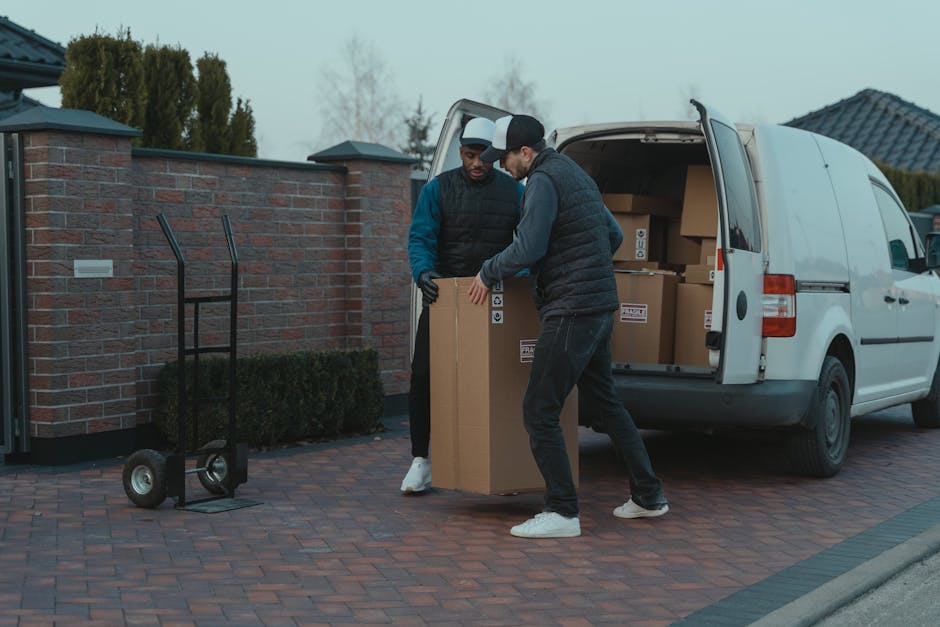
SW19 moving day checklist man with a van Wimbledon
If you are moving in SW19, the day itself can feel like a juggling act: keys, boxes, parking, traffic, last-minute panic, and that one drawer you swore was empty. A solid SW19 moving day checklist man with a van Wimbledon is the difference between a calm, organised move and one that spirals by 10 a.m. This guide walks you through what to do before the van arrives, how to keep the day running smoothly, and the little things that are easy to forget until they become annoying.
Whether you are heading across Wimbledon, shifting a flat near the village, or moving a few heavy items into a new home elsewhere in London, the aim is simple: make the load quicker, safer, and less stressful. You will also find a practical checklist, common mistakes to avoid, and a realistic example of how a man with a van move usually unfolds in SW19. Simple enough. But when moving day lands, simple is exactly what you want.
Table of Contents
- Why this moving day checklist matters
- How a man with a van move works in SW19
- Key benefits and practical advantages
- Who this is for and when it makes sense
- Step-by-step guidance for moving day
- Expert tips for a smoother move
- Common mistakes to avoid
- Tools, resources and recommendations
- Law, compliance, standards and best practice
- Options, methods and comparison
- Case study or real-world example
- Practical checklist
- Conclusion
- Frequently asked questions
Why SW19 moving day checklist man with a van Wimbledon Matters
Moving day in Wimbledon is rarely difficult because of one huge problem. It is usually a dozen small ones. The sofa is awkward. The lift is small. Parking is tight. A neighbour wants to leave exactly when you need the kerb space. And, to be fair, most of the stress comes from timing rather than the lifting itself.
A good moving day checklist gives you a sequence. That sequence matters because a man with a van service is usually at its best when loading is efficient and the van can get in and out without delay. In SW19, where access can vary from street to street, a bit of planning can save you real time and a lot of huffing with heavy boxes in the drizzle.
It also helps you protect your belongings. The risk on moving day is not just damage; it is confusion. Items get mixed up, essentials disappear into the wrong box, and suddenly you are searching for a kettle at 8 p.m. because nobody labelled the kitchen cartons properly. Been there, or at least most movers have.
For a local move, the checklist also improves communication. If you have booked a removal services provider or a smaller van-based team, the crew needs to know what is going, what is staying, and what might need extra care. Clear instructions are not fussy. They are efficient.
How SW19 moving day checklist man with a van Wimbledon Works
The checklist works by breaking the day into stages. That might sound obvious, but moving day is one of those occasions where obvious things get forgotten. The point is to reduce decision-making when you are already tired.
Most man and van moves in SW19 follow a familiar pattern:
- Arrival and quick walk-through.
- Confirmation of what is being loaded first.
- Protection of fragile items and awkward furniture.
- Controlled loading to make best use of van space.
- Transit to the new address.
- Unloading by room or zone.
That flow sounds neat on paper, and mostly it is. But local reality can add wrinkles. A narrow road, a low-hanging tree, or a busy corner near Wimbledon town centre can all affect access. This is why many people prefer to book removals near me rather than trying to improvise with a bigger vehicle on the day. Local knowledge matters, especially when parking and timing are part of the puzzle.
The checklist also works as a handover tool. If you know which room each box belongs in, what needs dismantling, and what must not be stacked, the move becomes much smoother. It is a bit like giving the driver a map before setting off. Not glamorous, just useful.
Key Benefits and Practical Advantages
A properly prepared moving day brings a few clear benefits, and they are not theoretical. You feel them immediately.
- Less stress: fewer last-minute decisions, fewer frantic searches for tape or keys.
- Faster loading and unloading: which matters when parking or access is limited.
- Better protection for belongings: because fragile and heavy items are handled with a plan.
- Lower chance of damage: to furniture, walls, door frames, and your own back.
- Cleaner handover: especially useful if you need to leave one property tidy and move into another the same day.
For many households, the biggest advantage is simply momentum. Once the first few boxes go in the van and the room starts to clear, the rest feels doable. That shift matters. People often spend days dreading the move, then realise the actual day is fine because it has structure.
If you are moving a smaller volume of goods, using a local man and van setup can also be more practical than a larger removal vehicle. You only pay for the size and level of help you genuinely need, which makes sense for one-bed flats, student moves, single-room moves, or a few bulky items.
And then there is the time-saving side. When you have an organised checklist, you spend less time standing in the hallway saying, "Where did we put the lamp?" It sounds trivial until it is your lamp, and it is the only one you actually like.
Who This Is For and When It Makes Sense
This guide is for anyone moving in or out of SW19 who wants the day to be manageable rather than chaotic. That includes first-time renters, busy families, downsizers, and anyone who simply does not want a full-scale removal lorry for a modest load.
It is especially relevant if you are:
- moving from a flat with limited access or stairs;
- relocating a small household within Wimbledon or nearby areas;
- moving a few large items such as beds, wardrobes, or appliances;
- trying to keep costs sensible without cutting corners on care;
- needing help with loading, lifting, or short-notice transport.
A larger move may suit a fuller service such as house removals or home moves. But if your move is smaller, cleaner, and more straightforward, a van-based approach can be the sweet spot. Not too much. Not too little.
It also makes sense for people who want more control. Some readers prefer to pack themselves, label everything in their own way, and only bring in help for the transport and lifting. If that is you, fair enough. A checklist gives you the structure without taking over your move.
Step-by-Step Guidance
Here is the practical part. Use this as a moving day run sheet, not just a nice idea.
1. Confirm the booking the day before
Check the arrival time, addresses, phone numbers, and any access notes. If there is restricted parking, awkward entry, or a time window for key collection, mention it again. People assume the details are remembered. Sometimes they are not. Better to repeat yourself than to discover a misunderstanding at the kerb.
2. Prepare a clear loading area
Put packed boxes near the exit if possible, but keep walkways clear. Leave enough room for the crew to lift and turn safely. If the rain shows up, protect the route from front door to van with whatever sensible cover you have. A few damp boxes are annoying; soaked cardboard is worse.
3. Separate essentials from everything else
Create one bag or box for the items you need immediately: phone charger, keys, medication, snacks, documents, toilet roll, kettle, mugs, and a change of clothes. That small bag will become your best friend by tea time.
4. Label by room, not just by contents
Writing "books" on a box is fine. Writing "upstairs bedroom books" is better. The more specific you are, the easier the unload. If you have children or a partner who likes to say "I thought this was the other room," labels will save a small domestic debate. Maybe even a big one.
5. Protect fragile and awkward items
Wrap mirrors, screens, glass shelves, and lamps carefully. Remove loose parts, tape cables neatly, and keep fixings in labelled bags. If furniture needs dismantling, do that before the van arrives if you can. It speeds up the job and avoids the awkward moment when somebody is trying to find an Allen key with a fridge blocking the hallway.
6. Walk through the property before loading begins
Do a final sweep of cupboards, loft spaces, balconies, and behind doors. People forget drawers, chargers, oven trays, even keys. This is the stage where you find the rogue item you swore had already been packed. Usually it is a charger. Sometimes it is your passport. That is why the sweep matters.
7. Load in the right order
Heavy and sturdy items should go in first, then medium boxes, then fragile or awkward pieces. Soft items can fill the gaps. The aim is stable stacking, not just making the van look full. A good moving van load is like a tidy game of Tetris, except the penalties are real if it is done badly.
8. Check the new address before unloading
When you arrive, confirm which room is which before boxes start coming out. If possible, place a quick sign on bedroom doors or keep a simple room plan. It cuts down on confusion and saves everyone wandering around asking where the lamp should go.
9. Unpack only the essentials on day one
You do not need to finish everything immediately. Focus on beds, washing basics, kitchen basics, and anything needed for work or school the next morning. That keeps the first evening sane. A half-unpacked flat can look a bit like chaos, but one working kettle and one made bed make a surprisingly big difference.
Expert Tips for Better Results
In our experience, the best moves are not the ones with the biggest teams. They are the ones where the small details are handled early.
Start earlier than you think you need to. If you have a morning move, give yourself a real buffer. Not a fantasy buffer. A proper one. The difference between a smooth start and a rushed start is often just 30 minutes.
Keep one person free to direct. If possible, do not have everyone lifting at once. One person should answer questions, check the room plan, and keep an eye on essentials. It sounds dull, but it stops the day from becoming a loose crowd of good intentions.
Use colour coding if the move is larger. Stickers or tape colours can be a lifesaver. Blue for kitchen, green for living room, red for bedroom. It is simple, visual, and quicker than reading every handwritten label in a corridor full of boxes.
Think about access at both ends. Wimbledon streets can be friendly, but access can still be tight. If you know there is a narrow entrance, shared driveway, or awkward stairwell, mention it before move day. This is the kind of detail that saves time and reduces the chance of a strained lift or scratched wall.
Keep valuables with you. Documents, jewellery, laptops, and sentimental items are better in your own car or bag. Not because you expect trouble, just because it makes life simpler. There is no need to make moving day more complicated than it already is.
Book extra help if the load is heavier than expected. A small van can do a lot, but not every move is a one-trip job. If your inventory has grown since you first booked, speak up. That honesty is usually cheaper than squeezing everything in and hoping for the best.
Common Mistakes to Avoid
Let's face it, most moving-day problems are predictable. That is the annoying part. The good news is they are avoidable.
- Leaving packing too late: last-minute boxes are rarely labelled well and often contain random mixed items.
- Not measuring furniture: a sofa that fits in the old place may be awkward in the new one.
- Ignoring parking or access: even a short walk from the van can make the job slower.
- Failing to defrost appliances: if you are moving a fridge or freezer, this needs planning, not panic.
- Forgetting essentials: chargers, documents, and medication are the classic culprits.
- Mixing fragile and heavy items: a heavy pan on top of a picture frame is never a great idea.
One subtle mistake is overpacking boxes. A box that is too heavy is not just harder to lift; it is more likely to split. If a box makes you wince when you pick it up, it is probably too full. Simple test, really.
Another common slip is underestimating how long unloading takes. Moving out is only half the job. If the new property has stairs, narrow landings, or no lift, build that into your plan. Nobody likes dragging a mattress up three floors at the end of a long day. Nobody.
Tools, Resources and Recommendations
You do not need fancy equipment to move well, but a few basic tools make everything easier.
- Strong boxes: ideally a consistent size so they stack well.
- Packing tape and dispenser: because fiddling with loose tape is a joy nobody wants.
- Marker pens: for clear room labels and fragile notes.
- Furniture blankets or wraps: to help protect wooden or painted surfaces.
- Trolleys or straps: useful for heavier items where safe handling matters.
- Zip bags for fixings: screws, shelf pins, and furniture bolts disappear frighteningly fast.
If you want extra support, some moves benefit from packing and unpacking services. That can be helpful if you are short on time, managing a family schedule, or simply not in the mood to spend three evenings wrapping plates. Fair enough, really.
For bigger loads, you may also want to compare a removal van with a larger vehicle or a more full-service option. The right choice depends on volume, access, and whether you need extra hands for lifting.
When you are comparing providers, look beyond the headline price. Ask what is included, how access is handled, and whether any extra waiting time or difficult access would change the booking. Clear pricing is one of the signs you are dealing with a service that takes the job seriously. You can review pricing and quotes information before making a decision.
Law, Compliance, Standards and Best Practice
For a local move, the main compliance concerns are usually safety, access, and fair handling of goods rather than anything dramatic. Still, a trustworthy moving company should be careful about how it operates.
Best practice generally includes:
- safe lifting and carrying methods;
- reasonable protection for items and property;
- clear communication about charges and timing;
- appropriate insurance for the type of work being carried out;
- respect for customer privacy and property access;
- attention to recycling and responsible disposal where applicable.
If you are hiring help, it is sensible to check how the provider approaches safety and insurance. You can also look at the company's stated insurance and safety approach and read the health and safety policy to understand how the business manages its responsibilities. That is not over-cautious. It is just sensible.
Where packing materials or unwanted furniture are involved, responsible disposal matters too. A move is a good time to think about reuse and waste reduction. If that is relevant to your move, the site's recycling and sustainability information can help you understand the company's approach.
For peace of mind around service terms, payments, and what happens if plans change, it is also worth checking terms and conditions and payment and security. Nobody wants surprises on moving day, especially not financial ones.
Options, Methods, or Comparison Table
Not every move needs the same setup. Here is a simple comparison to help you decide what suits your situation.
| Option | Best for | Typical strengths | Possible drawbacks |
|---|---|---|---|
| DIY with a hired van | Very small moves, budget-conscious movers | Low cost, full control | More lifting, more planning, more risk of delays |
| Man with a van | Small to medium house moves, flats, bulky items | Flexible, practical, local, usually quicker to organise | May need extra help for heavier or larger jobs |
| Full removal team | Larger homes, more furniture, complex access | More labour, more support, less physical strain | Usually more expensive and may be more than you need |
If your move sits in the middle, which is very common, a van-based service often hits the sweet spot. That is why many people in SW19 compare removal company options with smaller, more adaptable services before booking.
There is no prize for booking the biggest vehicle available. The better question is: what size, speed, and level of help does your move actually need?
Case Study or Real-World Example
Here is a realistic Wimbledon-style scenario. A couple moving from a second-floor flat in SW19 to a terraced house nearby had a mix of boxes, a bed frame, a dining table, two wardrobes, and the usual pile of "miscellaneous" items that somehow becomes three bags. Nothing dramatic, but enough to make a car-only move impossible.
They packed over several evenings, labelled boxes by room, and kept one small essentials box aside. On moving day, the van arrived on time, access was checked first, and the larger furniture was moved out before the smaller boxes started to fill the remaining space. Because the route through the property had been cleared in advance, the move stayed tidy and nobody had to keep stepping around loose items.
What made the biggest difference was not speed. It was sequence. The beds went in early. The fragile boxes went in late. The new home had room labels on doors, so unloading was straightforward. By late afternoon, the place looked lived-in rather than battered. A bit tired, yes. But fine.
That kind of move is exactly where a thoughtful checklist earns its keep. Not because it makes the work disappear, but because it keeps the moving day from owning you.
Practical Checklist
Use this as your final moving day run-through. Print it, copy it into your phone, scribble on the back of an envelope. Whatever works.
- Confirm arrival time and address details.
- Check parking and access at both properties.
- Set aside keys, documents, phones, chargers, and medication.
- Pack a separate essentials bag for the first night.
- Label boxes by room and contents.
- Protect fragile items and remove loose parts from furniture.
- Defrost appliances in advance if needed.
- Clear pathways inside the property.
- Do a final sweep of cupboards, lofts, and drawers.
- Keep valuables with you.
- Prepare water and simple snacks for the day.
- Check rooms before unloading at the new address.
- Unpack beds and basics first.
- Keep proof of booking and payment details handy.
Quick summary: a successful SW19 move is mostly about preparation, sensible loading, and keeping essentials close. If you do those three things well, the rest is usually manageable. Not always pretty. But manageable.
Get a free quote today and see how much you can save.
Conclusion
A moving day checklist is not just paperwork for perfectionists. In SW19, it is a practical tool that helps you deal with real-world issues: access, parking, timing, packing, and the general madness of getting one life out of a property and into another. When you combine that checklist with the right man with a van support, you make the day feel far more controllable.
If you are still planning, it is worth looking at the wider service options on home moves, removals, or even a more tailored man with van removal approach, depending on the size of your load. The best choice is the one that fits your day, your access, and your budget without making life harder than it needs to be.
And honestly, that is the real aim here: a move that feels organised, calm enough, and maybe even a little satisfying when the last box is in place and the kettle is finally plugged in.
Frequently Asked Questions
What should be on a SW19 moving day checklist?
At a minimum, your checklist should cover booking confirmation, parking access, essentials packing, box labels, fragile item protection, final room checks, and first-night basics. The idea is to reduce decision-making on the day itself.
How early should I prepare for a man with a van move in Wimbledon?
Ideally, you should start packing and sorting a few days in advance, or longer for a full household move. On the day before, do a final check of labels, access, and essentials. If you leave everything to the morning, it gets messy fast.
Is a man with a van enough for a flat move in SW19?
For many one-bedroom or smaller flat moves, yes. It depends on the amount of furniture, the number of boxes, and access at both ends. If you have several heavy items or awkward stairs, you may want extra help or a larger vehicle.
How do I know whether I need removals or just a van service?
If you have a modest load and mainly need transport with some lifting support, a van service is often enough. If you are moving a larger home or need a full team, a fuller removals setup may be more suitable.
What are the most common mistakes people make on moving day?
The biggest mistakes are late packing, poor labelling, forgetting essentials, underestimating access issues, and overpacking boxes. These sound small, but they are the things that create delays and stress.
Should I pack my essentials separately?
Yes, absolutely. Keep documents, chargers, medication, snacks, toiletries, and anything you need that evening in one clearly marked bag or box. It saves a lot of hunting around later.
How can I make loading faster and safer?
Clear the path to the van, place boxes near the exit, dismantle furniture in advance where possible, and label items by room. Heavy items should be loaded first, and fragile items should be protected and placed carefully.
What if parking is difficult outside my Wimbledon property?
Let the mover know in advance. Tight parking or a longer carry can affect timing and, in some cases, the type of vehicle that is best for the job. Local awareness makes a big difference here.
Can I use a man with a van for furniture pick-up only?
Yes, that can be a sensible option if you are collecting one or two bulky items. It is often more practical than trying to fit a wardrobe or mattress into a regular car. For this kind of job, a furniture pick-up service can be a good fit.
How do I protect fragile items during a van move?
Use strong boxes, wrap items individually, fill gaps so things do not move around, and mark those boxes clearly. Keep especially valuable or sentimental items with you if possible.
What should I check before paying for a move?
Check what is included, whether there are any extra charges, how payment is handled, and what the company says about safety and insurance. Transparent information is a good sign, and it helps avoid awkward surprises later.
Is it worth using packing services?
If you are short on time, have a lot of fragile items, or simply do not want to spend evenings wrapping plates and glasses, yes. Packing support can reduce stress and make moving day more efficient, especially for busy households or last-minute moves.
What should I do after the van leaves?
Start with the essentials: beds, toiletries, kettle, phones, and chargers. Then check for any damage or missing items while the day is still fresh. After that, breathe. You have done the hard part.