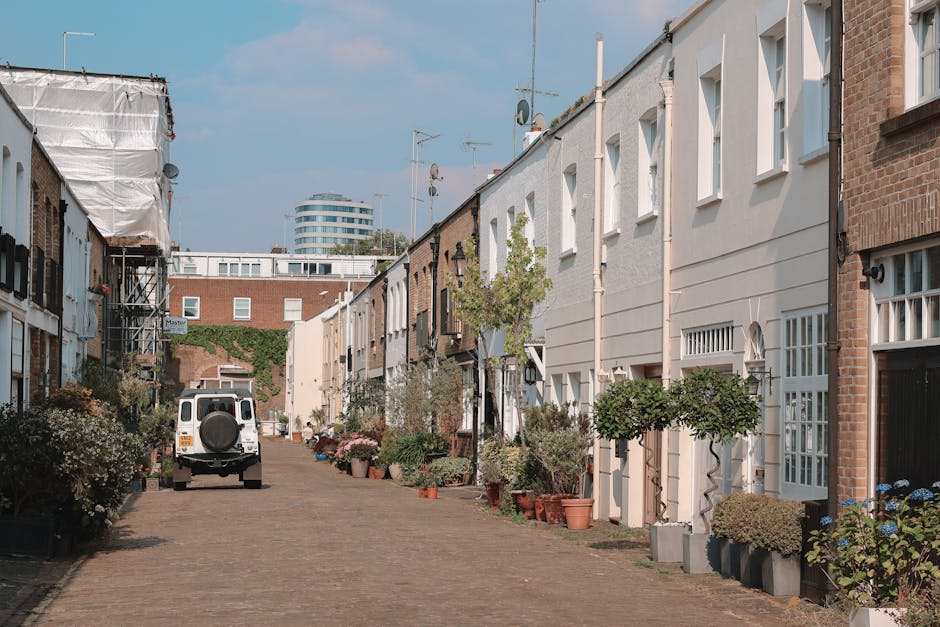
Wimbledon Village Removals Guide for Narrow Streets
If you are planning a move in Wimbledon Village, you already know the tricky bit is rarely the boxes. It is the streets. Tight corners, parked cars, limited turning space, period homes, and a moving day clock that seems to run faster than you'd like. This Wimbledon Village removals guide for narrow streets is designed to help you think ahead, avoid the usual headaches, and make the whole process feel far less chaotic.
Whether you are moving from a flat above a shop, a terrace with awkward access, or a family home tucked away on a residential lane, the key is preparation. In narrow streets, a good move is mostly about planning, vehicle choice, timing, and clear communication. Get those right and the rest tends to fall into place. Miss them, and even a simple move can turn into a slow, noisy, mildly stressful afternoon. Let's not do that.
Table of Contents
- Why Wimbledon Village removals guide for narrow streets Matters
- How Wimbledon Village removals guide for narrow streets Works
- Key Benefits and Practical Advantages
- Who This Is For and When It Makes Sense
- Step-by-Step Guidance
- Expert Tips for Better Results
- Common Mistakes to Avoid
- Tools, Resources and Recommendations
- Law, Compliance, Standards, or Best Practice
- Options, Methods, or Comparison Table
- Case Study or Real-World Example
- Practical Checklist
- Conclusion
- Frequently Asked Questions
Why Wimbledon Village removals guide for narrow streets Matters
Narrow streets change the whole shape of a removal. A van that would be perfectly fine on a normal London road can suddenly become a problem if it cannot stop safely, turn easily, or unload without blocking traffic. In Wimbledon Village, that matters even more because access can be tight and neighbours are often close by. Nobody wants a moving day that causes horns, awkward apologies, or a queue of frustrated drivers behind the van.
What makes this especially important is that removals are not just about lifting and carrying. They are about positioning, timing, route planning, and keeping the load manageable. If you are moving from a first-floor flat, for example, the difference between a smooth day and a messy one can be as simple as choosing a vehicle that fits the street properly.
It also matters for safety. Tight streets leave less room for mistakes, and mistakes get expensive fast: scratched furniture, damaged doorframes, blocked access, or delays that push the whole move late into the evening. And, to be fair, no one wants to spend the last hour of moving day negotiating with a sofa that refuses to go around a corner.
Expert summary: In narrow Wimbledon Village streets, the best removals are rarely the biggest vehicles or the quickest promises. They are the moves that balance access, protection, and timing with a calm, realistic plan.
For a wider view of moving support, many people also look at removals, home moves, or flat removals depending on the property type. That usually helps when the access issues are only part of the picture.
How Wimbledon Village removals guide for narrow streets Works
The process is straightforward in principle, but the details matter. A good Wimbledon Village move in a narrow street usually starts before moving day, with a proper look at access and a decision about the best vehicle and staffing level. From there, the work is split into practical stages: packing, loading, route planning, parking, unloading, and placement inside the property.
In narrow roads, a smaller, more manoeuvrable vehicle is often the smarter choice. That might mean a removal van or a flexible man and van style service instead of a larger truck, especially if the street is tight or parking is limited. That does not mean the job is smaller. It just means the equipment is better suited to the street.
The removal team should also plan for the real-life stuff people forget about: where to pause safely, how far the carry is from door to vehicle, whether there are staircases or shared hallways, and whether items need to be dismantled before they come down. In older Wimbledon Village properties, doors and hallways can be charming, yes, but charming is not always convenient.
Here is the basic flow most successful moves follow:
- Assess the street width, access points, and likely parking position.
- Choose a vehicle that can manoeuvre without causing disruption.
- Pack and label items so loading can happen quickly and cleanly.
- Protect floors, banisters, corners, and furniture before moving begins.
- Load in a sensible sequence, with heavy items secured first.
- Unload with a plan for which rooms each item should go to.
- Check for any remaining debris, damage concerns, or missed items.
If the move is a larger or more complex one, you may also want support from removal services or even house removals, depending on the size of the property and the amount of furniture involved.
Key Benefits and Practical Advantages
The biggest benefit of planning for narrow streets is simple: less stress. But the practical advantages go beyond that. A well-matched removals setup can reduce loading time, lower the risk of damage, and make it easier to keep neighbours on side. In a place like Wimbledon Village, that social side matters more than people think.
- Better access: Smaller, better-chosen vehicles can get closer to the property.
- Lower damage risk: Shorter carries and fewer awkward manoeuvres reduce the chance of knocks.
- Less disruption: A tidy, efficient load/unload keeps traffic and pedestrians moving.
- Faster completion: A street-friendly plan often saves more time than a bigger truck would.
- More flexible planning: You can work around parking, delivery restrictions, and busy local traffic more easily.
There is also a confidence benefit. When the access plan is solid, you stop worrying about the street itself and start focusing on the move. That sounds small, but it is huge on moving day. You can actually breathe a bit.
For people who want added flexibility, same-day removals can be useful in urgent situations, although narrow streets still require the same careful access planning. Speed is only helpful if the street can handle it.
Who This Is For and When It Makes Sense
This guide is for anyone moving in or around Wimbledon Village where the road layout makes access awkward. That includes homeowners, renters, students, landlords, and small businesses. It is especially relevant if your address has one or more of these features:
- a narrow residential street with limited passing room
- parking directly outside the property is unlikely
- shared access, mews-style layouts, or tight side entrances
- stairs, split levels, or upper-floor flats
- delicate furniture that needs extra care
- an office or commercial space with time-sensitive access needs
If you are moving from a flat, look at flat removals. If your move is more business-focused, commercial moves and office removals are more relevant. For students heading in or out of smaller properties, student removals can be a practical fit, especially when there is not much to transport.
This is also the sort of guidance worth reading if you are moving a single awkward item rather than a whole household. For example, if you only need to move a sofa, cabinet, or white goods, furniture removals or furniture pick up may be the right services to explore.
Step-by-Step Guidance
Here is the practical version, the one that actually helps on the day rather than just sounding tidy in theory.
1. Measure the access properly
Do not guess. Check the width of the street, the space outside the property, the turn-in point, and the doorways. If there is a corner or parked vehicle that always causes problems, note it. A quick walk-through with a tape measure and your phone camera can save a lot of regret later.
2. Match the vehicle to the street
On narrow roads, smaller often works better. A compact man with van setup or a dedicated removal van can be much easier to park and position than a larger truck. If you are comparing vehicle sizes, think about access first and load volume second. That order matters.
3. Reduce what actually needs moving
The fewer unnecessary items you move, the simpler the day becomes. This is where sorting, decluttering, and even temporary storage can be helpful. If something is not going to the new place straight away, it may not need to sit in the van taking up room.
4. Pack for quick handling
Use sturdy boxes, label them clearly, and keep fragile items together. If you want the move to stay efficient, consider packing and boxes support, or go further with packing and unpacking services. In narrow streets, speed matters because loading windows can be shorter than you expect.
5. Protect the property before anything moves
Floors, doorframes, bannisters, and corners are all vulnerable in tight spaces. Protection is not a fancy extra. It is part of the job. Good movers will think about this before the first box is lifted. If they do not, that is a red flag. A small one, perhaps, but still a red flag.
6. Plan the loading order
Heavy and stable items go in first, lighter and more fragile items later. The point is to minimise shuffling and avoid re-handling furniture more than once. In a narrow street, every unnecessary extra trip is time you could lose to parking pressure or pedestrians passing by.
7. Keep communication simple and clear
Tell the removals team about stair counts, awkward entrances, items that need dismantling, and any limitations with parking. If your building has a time slot for access, say so early. No drama, just facts. That is usually enough.
Expert Tips for Better Results
In our experience, the best narrow-street moves are the ones where the client thinks like a logistics manager for one day. Not forever. Just one day. And that one day makes a real difference.
- Book earlier in the day if possible: Streets tend to be easier before traffic builds up.
- Avoid overfilling boxes: Heavy boxes are slow, awkward, and hard on the carrying team.
- Disassemble bulky furniture in advance: Beds, tables, and shelving usually move better in parts.
- Use colour-coded labels: It sounds a bit nerdy, but it works beautifully in a rush.
- Keep a clear path inside the property: Shoes, rugs, and random hallway clutter are tiny trip hazards that become big ones very quickly.
- Prepare a parking fallback: If the first spot is taken, know the next best option.
One small but useful tip: keep a "first night" bag separate. Kettle, chargers, medication, toiletries, a change of clothes, maybe snacks. Because once the van doors are shut and the last box is gone, the only thing worse than not knowing where the bedding is, is not knowing where the kettle is. That is not a joke. That is moving-day law.
If you want reassurance around service quality and standards, reviewing company information such as about us, insurance and safety, and health and safety policy can help you understand how a provider approaches careful work.
Common Mistakes to Avoid
Most moving problems in narrow Wimbledon Village streets are preventable. The frustrating part is that people usually only discover the mistake after the van has arrived. Here are the most common ones.
- Choosing the wrong vehicle size: Bigger is not always better if it cannot stop safely near the property.
- Assuming parking will "work itself out": It often does not.
- Packing too slowly: In a narrow street, a slow load can create pressure from traffic or neighbours.
- Leaving decluttering until moving day: That just creates extra lifting and extra decisions when you are already busy.
- Not checking access indoors: A narrow hallway or steep stairs can matter as much as the street outside.
- Forgetting about disposal: Unwanted items should be dealt with before the main move, not discovered at the end.
If you have old furniture or larger pieces to clear, plan that part separately. Services like furniture removals or related collection options can stop clutter from getting in the way of the main move.
Tools, Resources and Recommendations
You do not need a van full of specialist kit to manage a narrow-street move, but the right basics make life easier. A decent removals team will usually bring practical protection and lifting gear. As a customer, you can help a lot by preparing a few essentials.
| Tool / Item | Why it helps | Best used for |
|---|---|---|
| Strong tape and marker pens | Keeps boxes labelled and easy to sort | Packing and room-by-room unloading |
| Furniture blankets and covers | Protects items from knocks and scuffs | Fragile or polished furniture |
| Basic toolkit | Useful for dismantling and reassembly | Beds, tables, shelving, mirrors |
| Door and floor protection | Reduces damage in tight indoor spaces | Hallways, staircases, entrances |
| Storage boxes or crates | Keeps loose items organised | Kitchenware, books, office supplies |
For larger moves, a company offering removal companies style support may be more suitable than a simple one-person job. If you need a larger vehicle, moving truck or removal truck hire might be worth comparing carefully against street access. If the move is small but time-sensitive, a flexible man with a van service can be a neat middle ground.
There are also trust and process pages worth checking if you want a fuller picture of how a provider operates, such as pricing and quotes, payment and security, and terms and conditions. Not thrilling reading, no, but useful. Very useful.
Law, Compliance, Standards, or Best Practice
For removals in narrow streets, compliance is mostly about safe working practice, sensible vehicle use, and avoiding preventable disruption. You do not need to know every technical detail, but you should expect a professional service to work in line with normal UK moving standards and to take safety seriously.
In practice, that means attention to manual handling, safe lifting, secure loading, and careful risk awareness around pedestrians, traffic, and property access. If there are stairs, awkward carries, or heavy items such as wardrobes or pianos, the team should plan accordingly rather than improvising in a rush.
Where relevant, it is also reasonable to expect clear communication about insurance, handling methods, and limitations. That is especially true for valuable or difficult items. For example, if you need specialist support for a musical instrument, piano removals is the kind of service to look at rather than assuming a general move will cover it properly.
For customers, the best practice is simple:
- share accurate access details
- be honest about item sizes and weights
- check what is included before moving day
- read the service terms carefully
- ask about insurance and safety handling if anything feels unclear
If you are unsure, ask. That is better than guessing. A decent provider would rather answer a slightly awkward question now than deal with a preventable issue later.
Options, Methods, or Comparison Table
Different moves need different setups. In narrow Wimbledon Village streets, the "best" option depends on volume, access, and timing. Here is a quick comparison to help you think it through.
| Option | Best for | Strengths | Limitations |
|---|---|---|---|
| Man and van | Smaller moves, quick access, flexible loading | Easy to manoeuvre, often practical for narrow streets | Less capacity than larger vehicles |
| Removal van | Medium-sized home or flat moves | Balanced capacity and street access | May still be tight on very restricted roads |
| Moving truck | Larger household or office relocations | More room for bulky items and full loads | Can be harder to position in narrow roads |
| Full removal service | Complex moves with packing, loading, and handling needs | More support, better for bigger planning demands | Usually requires more coordination and budget |
If you are comparing a lighter, flexible option with a more traditional approach, start with man with van, removal van, and removal services. The right answer is usually the one that fits the street without creating a parking drama before 9 a.m.
Case Study or Real-World Example
Imagine a couple moving from a first-floor flat on a narrow Wimbledon Village road into a nearby house. They have a sofa, a dining table, a double bed, eight boxes of books, and a few fragile kitchen items. On paper, it looks manageable. In reality, the street is just wide enough for resident parking and not much else.
Instead of trying to send a large lorry down the road, they choose a smaller vehicle and split the move into a more measured loading plan. They pack the kitchen separately, dismantle the bed frame in advance, and place everything they will need first in the easiest-to-reach part of the property. The removals team arrives early, completes the carry in short runs, and avoids blocking the street for long periods.
The difference is not magic. It is just good planning. The move feels calmer because no one is trying to solve access problems at the exact same time as lifting furniture. The couple still has a busy day, of course, but it is the kind of busy that feels under control. That matters.
In a similar situation, someone moving out of a shared flat might combine a smaller van with a bit of temporary storage to avoid forcing everything into one impossible load. That can be a very sensible compromise when timing is tight or the new place is not ready yet.
Practical Checklist
Use this checklist a few days before the move. It is simple, but it catches the usual issues.
- Measure the street access and doorway widths
- Check parking options for moving day
- Confirm which vehicle size is most suitable
- Pack fragile items separately and label clearly
- Disassemble bulky furniture if needed
- Protect floors, walls, and furniture surfaces
- Clear hallways, stairs, and entrances
- Tell the removals team about any awkward access points
- Set aside essentials for the first night
- Arrange disposal or collection of unwanted items
- Review service details, insurance, and payment terms
- Keep phones charged and available on the day
A tiny thing, but worth doing: keep keys, access codes, and any building instructions in one place. Not in three different coat pockets. That way lies irritation.
Conclusion
A move in Wimbledon Village does not need to be complicated, even when the streets are narrow. The main job is to respect the access, choose the right vehicle, and keep the process practical from the start. When those pieces are in place, the day feels far less like a puzzle and more like a plan.
The best removals work quietly in the background. They fit the road, protect the property, and keep momentum without making a spectacle of it. That is the goal here. Not perfect. Just sensible, safe, and calm enough that you can actually enjoy getting the keys, opening the windows, and starting again.
If you are getting ready to move and want to keep things simple, you can explore the most relevant support options, review service details, and make a choice that matches your street rather than fighting it.
Get a free quote today and see how much you can save.
Frequently Asked Questions
What is the biggest challenge with removals in Wimbledon Village narrow streets?
The biggest challenge is access. Narrow roads limit parking, turning space, and unloading options, so the move has to be planned around the street rather than the other way around.
Is a smaller van better for Wimbledon Village removals?
Often, yes. A smaller vehicle can be much easier to position safely and quickly in tight streets. The best choice depends on the amount of furniture, but street access should come first.
How early should I book a removals service for a narrow street move?
Earlier is better, especially if you need a specific time slot or if parking is limited. Booking in advance also gives you more time to share access details and pack properly.
Can a full-size moving truck work in Wimbledon Village?
Sometimes, but not always. It depends on the exact street, parking conditions, and turning room. In many cases, a van or smaller vehicle is the safer and more practical option.
What should I tell the removals company before moving day?
Give them the street layout, parking limitations, stair counts, any narrow entrances, bulky items, and the number of boxes or rooms involved. Accurate details make a big difference.
Do I need packing help for a move in a narrow street?
Not always, but it can help if you are short on time or dealing with fragile items. Packing and unpacking services can reduce pressure on the day.
What if I need to store some items before moving in?
Temporary storage can be useful if access is awkward or the new property is not ready yet. It can also make the main move less crowded.
Are narrow-street moves more expensive?
They can be, depending on the extra time, access difficulty, vehicle choice, and number of carries required. The most accurate way to understand cost is to request a tailored quote.
Can I move on the same day if I am leaving a tight street?
In some cases, yes. Same-day removals can work for urgent moves, but access planning still matters just as much as timing.
What type of move is best for a flat in Wimbledon Village?
For many flats, flat removals or a flexible van-based service is a good fit, especially if stairs, shared access, or limited parking are part of the picture.
How do I avoid blocking traffic during the move?
Choose the right vehicle, book an early slot if possible, keep the loading route clear, and make sure the removals team knows exactly where they can stop. A well-planned load usually keeps disruption down.
What if I only need one or two large items moved?
Then a full household move may be unnecessary. Furniture removals or furniture pick up can be more efficient for single-item jobs.
A narrow street can look intimidating at first glance, but with the right setup it becomes very manageable. Take it step by step, keep the plan simple, and you will be in much better shape on moving day.